How to Find Keywords for Amazon PPC in 2026
Overview
- What Is Amazon PPC and How Keywords Influence Ads
- Types of Amazon PPC Keywords to Target
- How to Discover Amazon PPC Keywords
- How to Identify Profitable Amazon PPC Keywords
- How to Use PPC Keywords in Amazon Listings
- Refining Your PPC Campaign Using Search Terms Reports
- Conclusion
With millions of daily product searches, Amazon has become the go-to platform for high-intent shoppers, over 56% of consumers now start their product searches on Amazon, compared to 42% on search engines like Google (eMarketer, 2024). This makes Amazon PPC a powerful way to reach customers who are ready to buy.
But success depends on your keywords. Amazon only shows your ads when your keywords match what shoppers are searching for, so the right keywords drive visibility and sales, while the wrong ones limit reach or attract irrelevant clicks.
If your targeting is off, you may still get impressions and clicks, but they rarely convert, leading to wasted ad spend.
In this article, we break down how to choose the right keywords and what truly drives results.
What Is Amazon PPC and How Keywords Influence Ads
Amazon PPC seems straightforward at first. You bid on keywords, your ads appear in search results or on product pages, and you pay when someone clicks.
What makes it effective is relevance. The keywords you choose act as the bridge between your potential customer and the product you are advertising. Choosing highly relevant keywords is like building a short, direct bridge, your ads are more likely to show and at a more efficient cost. In contrast, weaker relevance is like building a longer bridge, your ads may not appear or may become more expensive without delivering results.
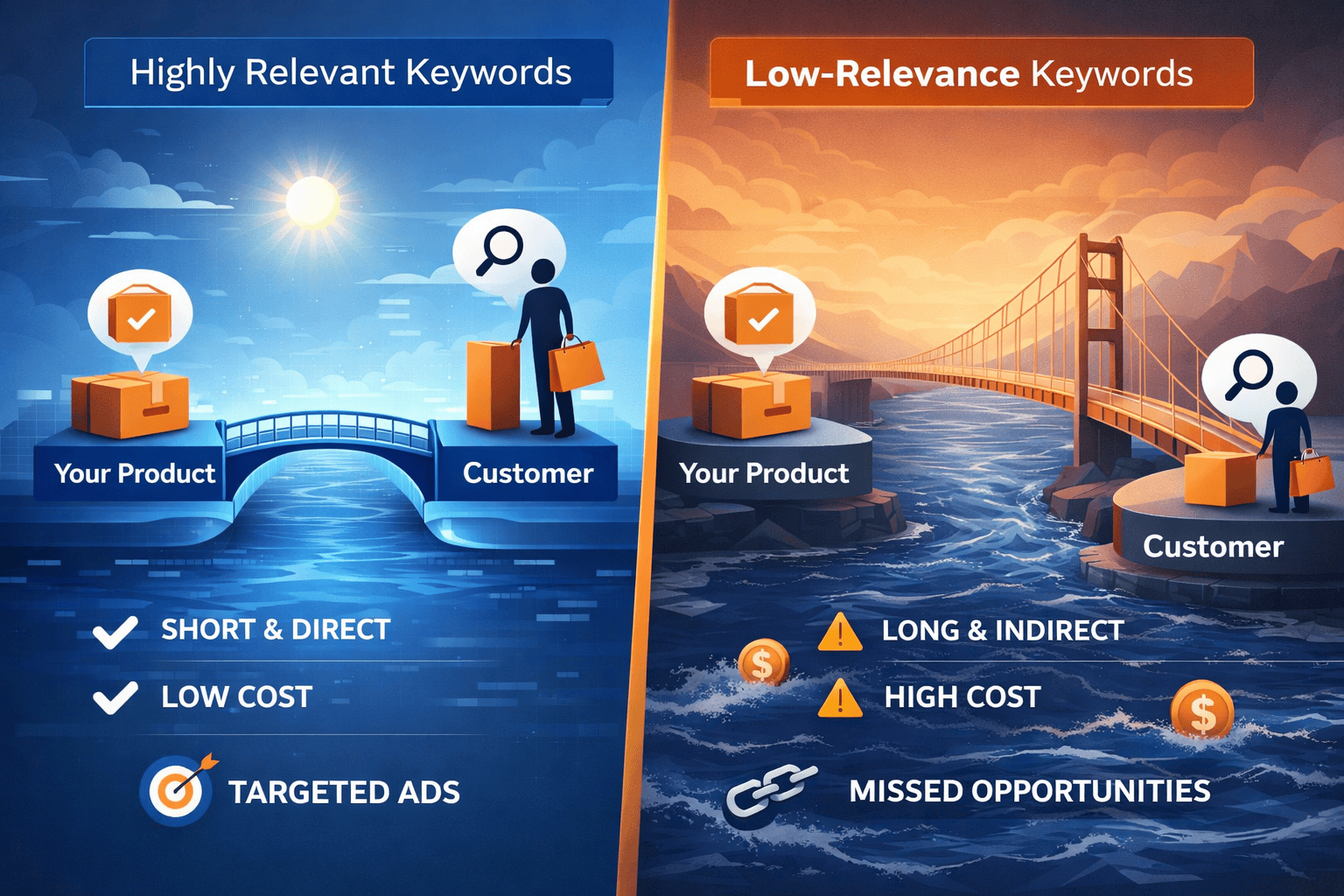
Keywords selection is important because it determines when your ads appear and influence cost-per-click (CPC). More competitive keywords drive higher costs per click, which in turn impacts ad placement and visibility.
When you have the right keywords in place, your campaigns are not just generating traffic, they are attracting shoppers who are more likely to convert.
Types of Amazon PPC Keywords to Target
Not all keywords serve the same purpose and treating them the same leads to inefficient campaigns. A more effective approach is to think in terms of shopper intent and where someone is in their buying journey. There are three main types of keywords to target:
- High-intent keywords are closest to purchase. These are direct product searches, such as “wireless noise-cancelling headphones,” where the shopper already knows what they are looking for. They tend to convert well but come with higher competition and cost.
- Mid-intent keywords reflect “window shopping” behavior. Searches like “best headphones for travel” suggest the shopper is still considering options. While these may not convert immediately, they are useful for capturing attention early and influencing purchase decisions.
- Long-tail keywords are more specific and descriptive. A search like “lightweight noise-cancelling headphones for flights” provides a clearer picture of what the shopper wants. These keywords usually have lower competition and CPC, but often convert at a higher rate because the intent is clearer.
Strong campaigns typically combine all three types. High-intent keywords drive conversions, mid-intent keywords expand reach and awareness, and long-tail keywords improve efficiency.
How to Discover Amazon PPC Keywords
Keyword discovery is not a one-time task. It is an ongoing process that starts with educated guesses and becomes more refined as you collect data.
Analyzing competitors is a strong starting point. Their sponsored ads, product titles, and bullet points can reveal which keywords they prioritize. If the same terms appear across multiple top-performing listings, it usually signals strong demand and relevance.
Another good starting point is seed keywords, core terms related to your product, including its category, key features, and use cases. For example, a Bluetooth speaker might be associated with terms like “portable,” “waterproof,” or “outdoor.” These initial keywords help generate more specific ones over time.
From there, Amazon’s search bar becomes a valuable resource. The autocomplete suggestions are based on real shopper behavior, making them a reliable indicator of what people are actively searching for. If certain phrases consistently appear, it is usually a sign of strong demand.
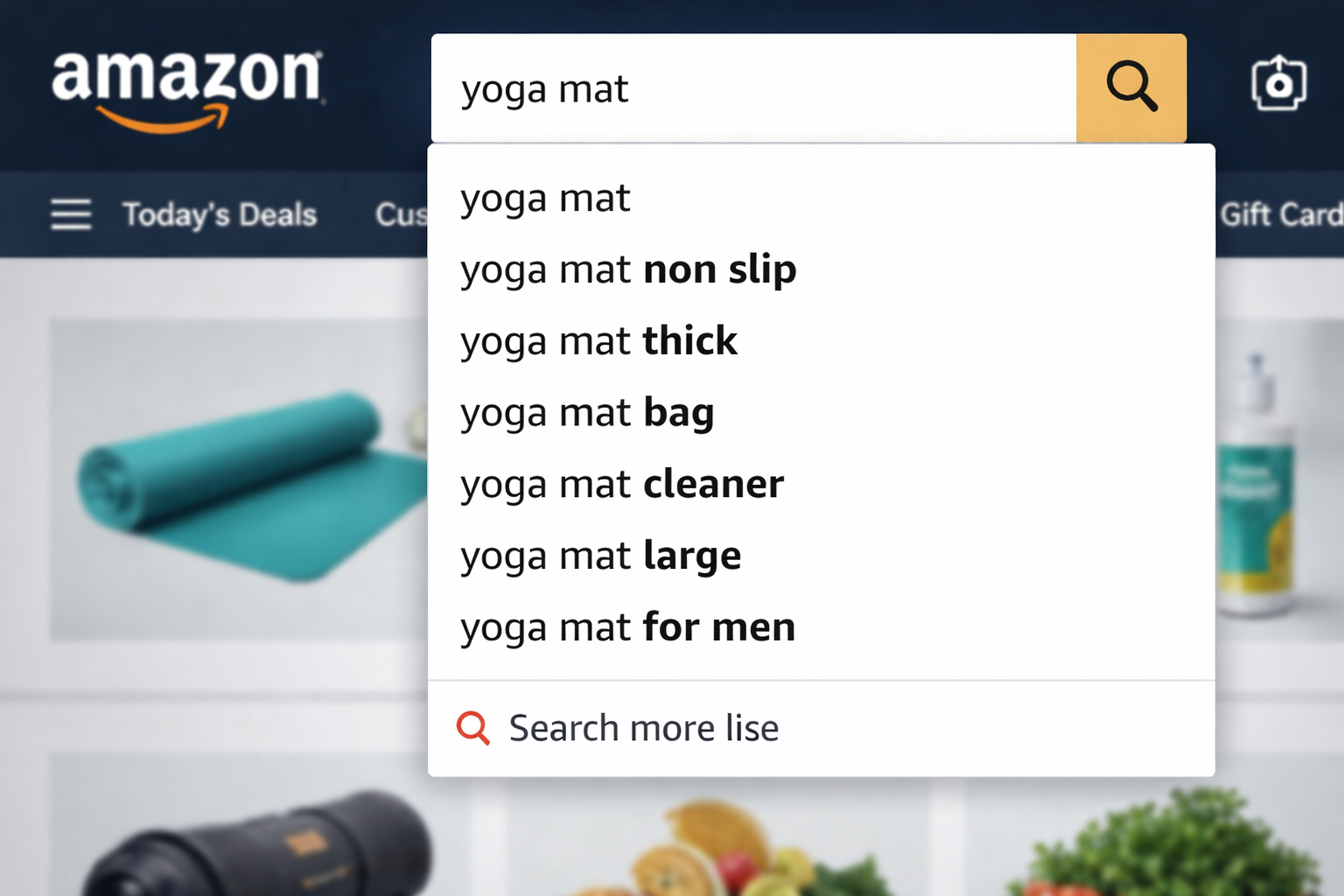
Keyword research tools and PPC platforms can further support this process by suggesting related keywords and identifying profitable opportunities, this is especially useful when scaling campaigns.
How to Identify Profitable Amazon PPC Keywords
Not every keyword that drives traffic is worth keeping. The goal is to identify keywords that generate profitable sales, not just clicks.
Three key factors to evaluate are:
Keyword Factor
Metric to Look Out For
Why It’s Important
Demand
Search volume
Indicates traffic potential
Cost
Average CPC
Impacts margin and spend
Conversion potential
Sales per click
Determines ROI
It’s important to consider all three factors rather than focusing on just one. A high-volume keyword may seem appealing, but if it has high costs and low conversion rates, it can quickly drain your budget. On the other hand, a lower-volume keyword with strong conversion and lower cost can deliver better returns over time, even with fewer sales.
In practice, this means regularly reviewing your search term reports and campaign data, then making decisions based on real performance rather than assumptions.
Automation tools can help identify high-performing and under-performing keywords, but understanding what drives profitability allows you to make better strategic decisions.
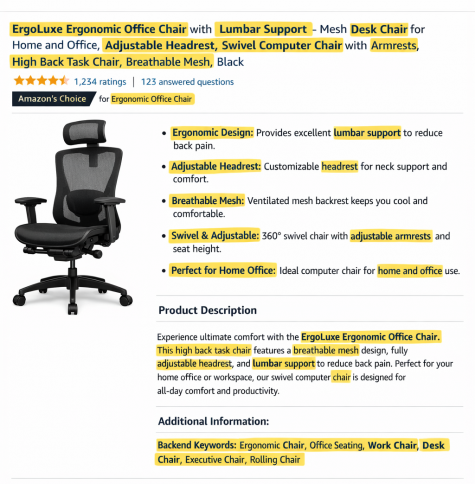
How to Use PPC Keywords in Amazon Listings
Keywords should not be limited to ads, they should also be integrated into your product listings.
When your listing content aligns with your PPC keywords, it strengthens relevance and can improve both ad performance and organic visibility.
Key areas to include target keywords:
- Product title
- Bullet points
- Product description
- Backend search terms
However, avoid keyword stuffing. Your content should still read naturally and clearly communicate the product’s value.
Refining Your PPC Campaign Using Search Terms Reports
You can also use the Amazon Search Terms report (available to users who are actively running Amazon Sponsored Products and Brands campaigns), which provides insight into actual customer queries that triggered your ads and led to clicks or sales. Over time, this becomes one of the most effective ways to refine your keyword strategy.
1. Get keyword ideas from search term report
Amazon sellers can use their Search Term Reports to uncover high-performing keywords and eliminate wasted spend.
2. Build your negative keywords list
Another effective keyword strategy is not just about inclusion, but also exclusion.
Negative keywords prevent your ads from appearing in irrelevant searches. For example, if you sell a premium product, you might exclude terms like “budget” to avoid attracting low-intent clicks.
3. Refine keyword match type strategy
Many sellers structure campaigns in stages, starting with broader targeting (broad or phrase match) to discover new keywords, then refining into more controlled campaigns using exact match.
This creates a continuous cycle of testing and optimization. High-performing keywords receive more budget and more precise targeting, while under-performing ones are reduced or removed.
Over time, this improves traffic quality. You spend less on unqualified clicks and allocate more budget toward high-intent searches.
Conclusion
When you select keywords effectively, wasted ad spend decreases and return on ad spend (ROAS) improves. While it may seem like a small adjustment, it plays a significant role in increasing Amazon ROI without raising your overall budget.
Overview
- What Is Amazon PPC and How Keywords Influence Ads
- Types of Amazon PPC Keywords to Target
- How to Discover Amazon PPC Keywords
- How to Identify Profitable Amazon PPC Keywords
- How to Use PPC Keywords in Amazon Listings
- Refining Your PPC Campaign Using Search Terms Reports
- Conclusion
With millions of daily product searches, Amazon has become the go-to platform for high-intent shoppers, over 56% of consumers now start their product searches on Amazon, compared to 42% on search engines like Google (eMarketer, 2024). This makes Amazon PPC a powerful way to reach customers who are ready to buy.
But success depends on your keywords. Amazon only shows your ads when your keywords match what shoppers are searching for, so the right keywords drive visibility and sales, while the wrong ones limit reach or attract irrelevant clicks.
If your targeting is off, you may still get impressions and clicks, but they rarely convert, leading to wasted ad spend.
In this article, we break down how to choose the right keywords and what truly drives results.
Amazon PPC seems straightforward at first. You bid on keywords, your ads appear in search results or on product pages, and you pay when someone clicks.
What makes it effective is relevance. The keywords you choose act as the bridge between your potential customer and the product you are advertising. Choosing highly relevant keywords is like building a short, direct bridge, your ads are more likely to show and at a more efficient cost. In contrast, weaker relevance is like building a longer bridge, your ads may not appear or may become more expensive without delivering results.
Keywords selection is important because it determines when your ads appear and influence cost-per-click (CPC). More competitive keywords drive higher costs per click, which in turn impacts ad placement and visibility.
When you have the right keywords in place, your campaigns are not just generating traffic, they are attracting shoppers who are more likely to convert.
Types of Amazon PPC Keywords to Target
Not all keywords serve the same purpose and treating them the same leads to inefficient campaigns. A more effective approach is to think in terms of shopper intent and where someone is in their buying journey. There are three main types of keywords to target:
- High-intent keywords are closest to purchase. These are direct product searches, such as “wireless noise-cancelling headphones,” where the shopper already knows what they are looking for. They tend to convert well but come with higher competition and cost.
- Mid-intent keywords reflect “window shopping” behavior. Searches like “best headphones for travel” suggest the shopper is still considering options. While these may not convert immediately, they are useful for capturing attention early and influencing purchase decisions.
- Long-tail keywords are more specific and descriptive. A search like “lightweight noise-cancelling headphones for flights” provides a clearer picture of what the shopper wants. These keywords usually have lower competition and CPC, but often convert at a higher rate because the intent is clearer.
Strong campaigns typically combine all three types. High-intent keywords drive conversions, mid-intent keywords expand reach and awareness, and long-tail keywords improve efficiency.
How to Discover Amazon PPC Keywords
Keyword discovery is not a one-time task. It is an ongoing process that starts with educated guesses and becomes more refined as you collect data.
Analyzing competitors is a strong starting point. Their sponsored ads, product titles, and bullet points can reveal which keywords they prioritize. If the same terms appear across multiple top-performing listings, it usually signals strong demand and relevance.
Another good starting point is seed keywords, core terms related to your product, including its category, key features, and use cases. For example, a Bluetooth speaker might be associated with terms like “portable,” “waterproof,” or “outdoor.” These initial keywords help generate more specific ones over time.
From there, Amazon’s search bar becomes a valuable resource. The autocomplete suggestions are based on real shopper behavior, making them a reliable indicator of what people are actively searching for. If certain phrases consistently appear, it is usually a sign of strong demand.
Keyword research tools and PPC platforms can further support this process by suggesting related keywords and identifying profitable opportunities, this is especially useful when scaling campaigns.
How to Identify Profitable Amazon PPC Keywords
Not every keyword that drives traffic is worth keeping. The goal is to identify keywords that generate profitable sales, not just clicks.
Three key factors to evaluate are:
| Keyword Factor | Metric to Look Out For | Why It’s Important |
|---|---|---|
| Demand | Search volume | Indicates traffic potential |
| Cost | Average CPC | Impacts margin and spend |
| Conversion potential | Sales per click | Determines ROI |
It’s important to consider all three factors rather than focusing on just one. A high-volume keyword may seem appealing, but if it has high costs and low conversion rates, it can quickly drain your budget. On the other hand, a lower-volume keyword with strong conversion and lower cost can deliver better returns over time, even with fewer sales.
In practice, this means regularly reviewing your search term reports and campaign data, then making decisions based on real performance rather than assumptions.
Automation tools can help identify high-performing and under-performing keywords, but understanding what drives profitability allows you to make better strategic decisions.
How to Use PPC Keywords in Amazon Listings
Keywords should not be limited to ads, they should also be integrated into your product listings.
When your listing content aligns with your PPC keywords, it strengthens relevance and can improve both ad performance and organic visibility.
Key areas to include target keywords:
- Product title
- Bullet points
- Product description
- Backend search terms
However, avoid keyword stuffing. Your content should still read naturally and clearly communicate the product’s value.
Refining Your PPC Campaign Using Search Terms Reports
You can also use the Amazon Search Terms report (available to users who are actively running Amazon Sponsored Products and Brands campaigns), which provides insight into actual customer queries that triggered your ads and led to clicks or sales. Over time, this becomes one of the most effective ways to refine your keyword strategy.
1. Get keyword ideas from search term report
Amazon sellers can use their Search Term Reports to uncover high-performing keywords and eliminate wasted spend.
2. Build your negative keywords list
Another effective keyword strategy is not just about inclusion, but also exclusion.
Negative keywords prevent your ads from appearing in irrelevant searches. For example, if you sell a premium product, you might exclude terms like “budget” to avoid attracting low-intent clicks.
3. Refine keyword match type strategy
Many sellers structure campaigns in stages, starting with broader targeting (broad or phrase match) to discover new keywords, then refining into more controlled campaigns using exact match.
This creates a continuous cycle of testing and optimization. High-performing keywords receive more budget and more precise targeting, while under-performing ones are reduced or removed.
Over time, this improves traffic quality. You spend less on unqualified clicks and allocate more budget toward high-intent searches.
Conclusion
When you select keywords effectively, wasted ad spend decreases and return on ad spend (ROAS) improves. While it may seem like a small adjustment, it plays a significant role in increasing Amazon ROI without raising your overall budget.